

1. Introduction
- Brief explanation of what brake fluid is and its role in vehicle safety.
Brake fluid is one of the most important fluids in your car. It’s a hydraulic fluid that is used to transfer force from your brake pedal to the calipers on each wheel. It is important that the fluid remains in optimal condition to ensure safety of your braking system. The drawback of brake fluid is, it’s highly sensitive to contamination and moisture.
2. Understanding Brake Fluid Composition
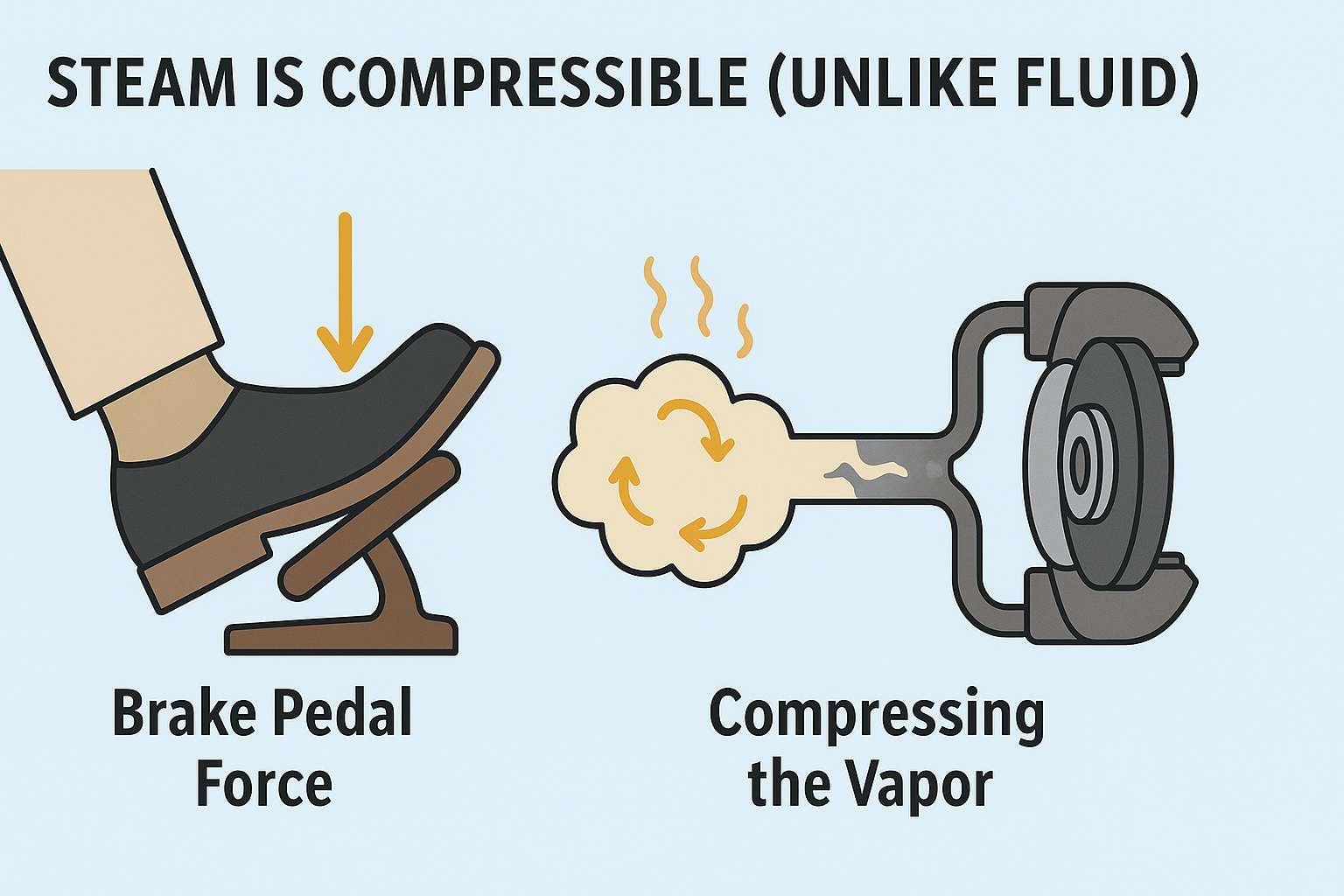
- Hygroscopic Nature: Most brake fluids (e.g., DOT 3, DOT 4) are hygroscopic, meaning they attract and absorb moisture from the air. This causes the fluid to degrade over time, even if it looks clean. When moisture is introduced into the brake fluid, you will feel spongey brakes. Brake fluid is designed to withstand high temperatures, but when it absorbs water from the air, the boiling point drops dramatically. During heavy braking—such as towing, or spirited driving—the brake system heats up. If the fluid reaches its now-lowered boiling point, the water in the fluid vaporizes into steam.
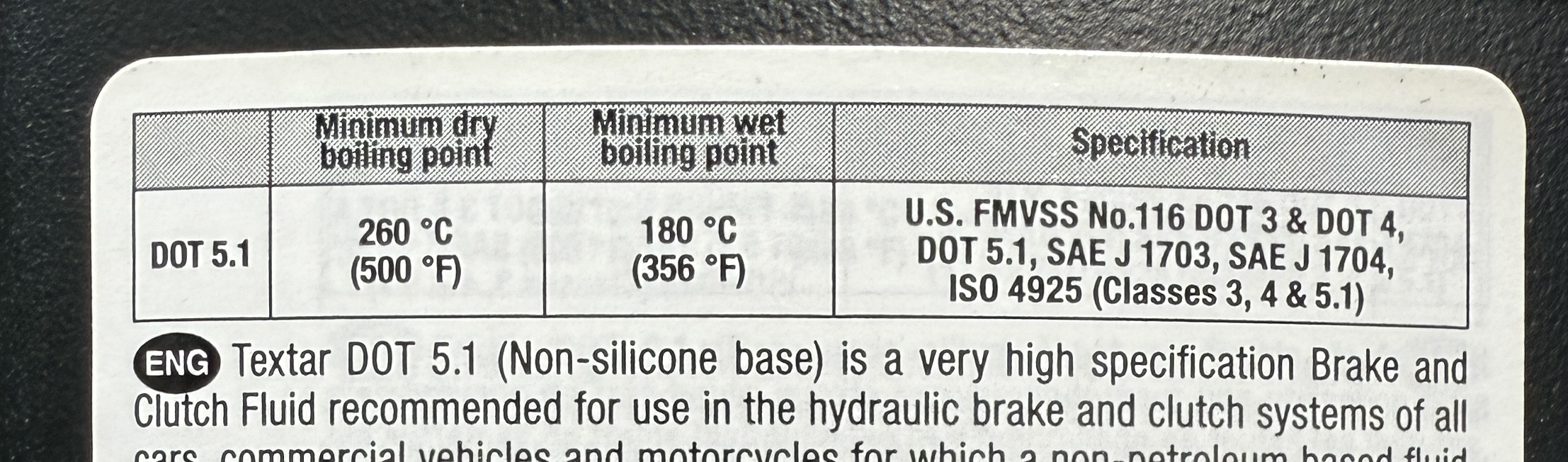
- Types of Brake Fluid:Different brake fluids have different chemical properties. For example, DOT 3 and DOT 4 absorb water, while DOT 5 is silicone-based and doesn't, but it has its own storage concerns. You also need to follow the manufacturers recommendations for which fluid to use. Not all vehicles can use DOT 5.
- How Air Exposure Affects its Chemical Makeup:Once a container is opened, exposure to air begins the process of degradation. The fluid’s boiling point lowers as it absorbs moisture, making it less effective under high-heat braking.
3. Pros of Keeping an Open Container (Short-Term Use Only)
- Convenient for Immediate Maintenance Tasks
If you're working on your brake system and need to bleed the brakes or top off fluid over the course of a few hours or days, having an open container available can save time and effort. Any length of time over a few days, will result in the degradation, and should be discarded. - Reduces Waste
For someone doing minor repairs or fluid checks across multiple vehicles in a short window, keeping a recently opened container can prevent the unnecessary waste of buying and discarding multiple bottles. - Brake Fluid Can be Costly
Brake fluid isn't expensive, but if you're performing maintenance tasks frequently over a few days, keeping the same container open may save money on repeated purchases.
4. Cons of Keeping an Open Container
- Moisture Absorption and Degradation
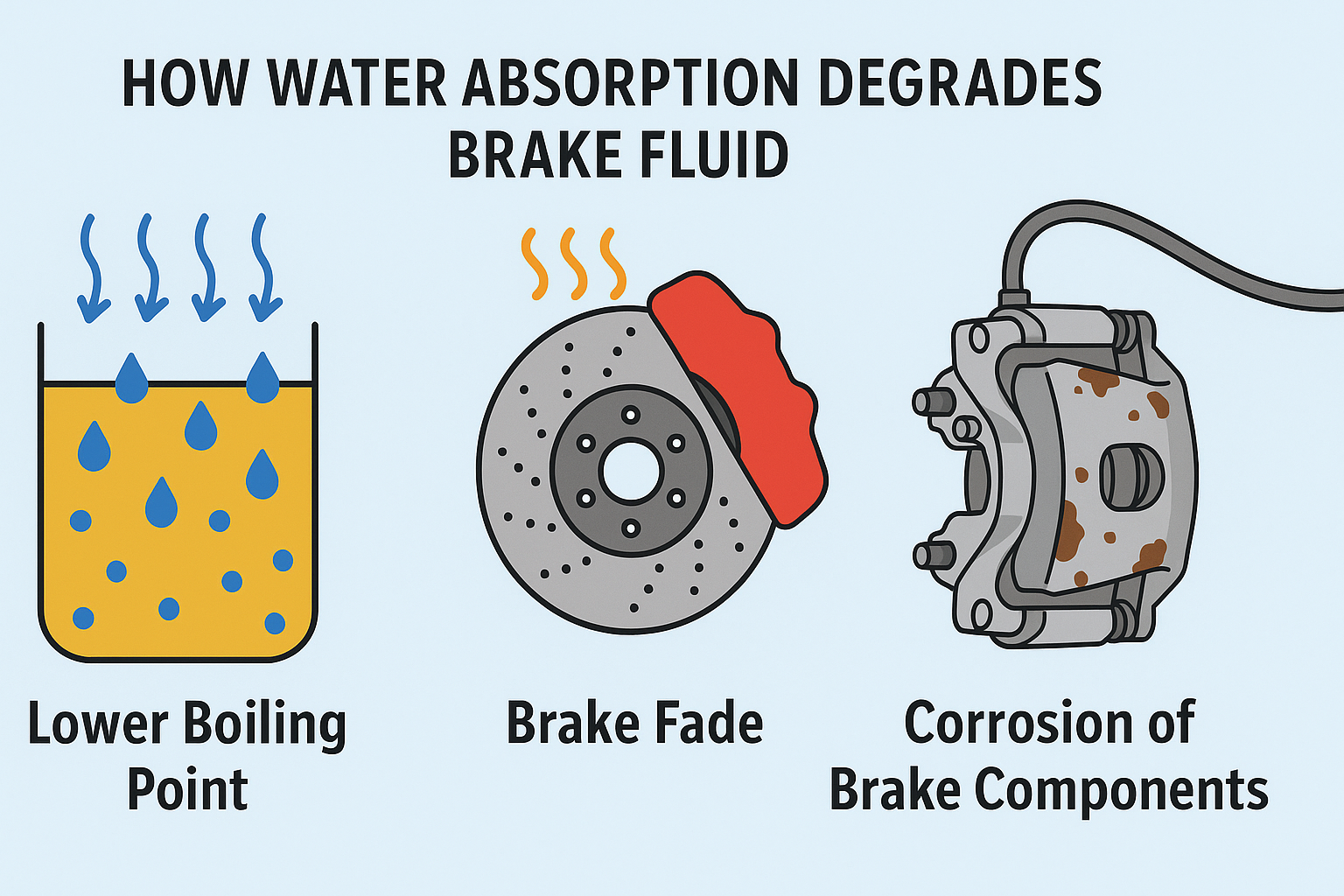
Once opened, brake fluid begins absorbing moisture from the air. Even a small amount of water drastically lowers its boiling point, increasing the risk of brake fade or failure under high heat. Moisture also contributes to corrosion within the brake lines and components. - Contamination Risk
An open bottle is susceptible to dust, dirt, and particles entering the fluid. Contaminants can clog brake system components or interfere with the hydraulic properties of the fluid, compromising your braking ability. - Shelf Life is Severely Shortened
While sealed brake fluid can last for years, once opened it begins to degrade rapidly. In many cases, it's only considered safe to use for a few days to a couple of weeks after opening, especially in humid environments. If you have to store, keep in a cool dry area. Places in your garage are exposed to the outside regularly which contains a lot more moisture. - Safety and Liability
Using degraded brake fluid increases the risk of system failure. If you're a professional or DIY mechanic, knowingly using compromised fluid could lead to safety issues or even legal liability if a failure results in injury or damage. This is especially true for performance, track or drift cars.
5. Tips for Brake Fluid Storage
- Always Reseal Tightly: If you absolutely need to store an opened bottle for a short time, make sure the cap is tightly sealed to reduce air and moisture ingress. Keep in a cool dry area.
- Label with the Date of Opening:This helps track the age of the fluid and avoid using it beyond a timely matter.
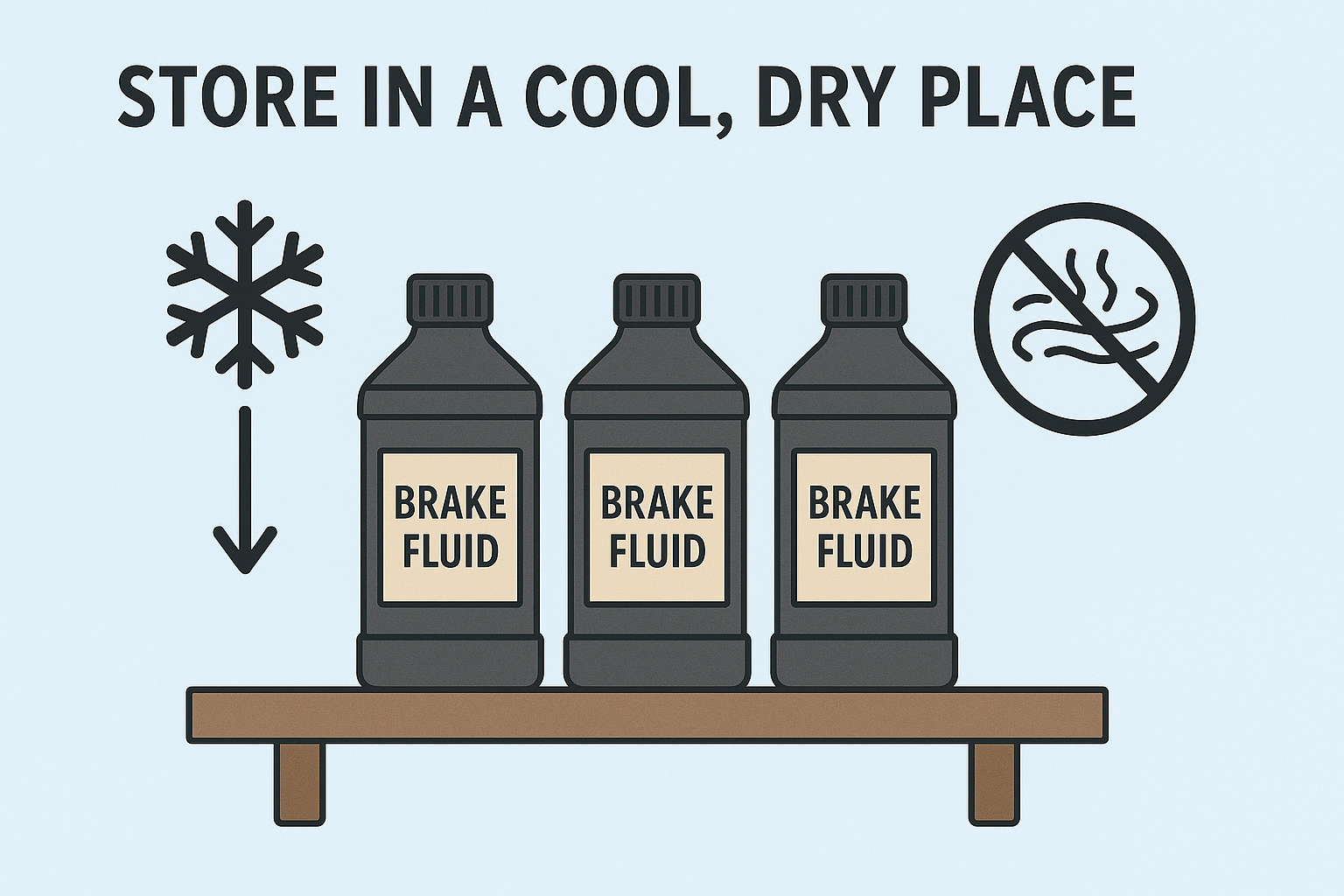
- Store in a Cool, Dry Place Away from Sunlight:Heat and UV exposure accelerate chemical breakdown and make the fluid absorb moisture faster. If all possible, keep it out of your garage which has a higher humidity than a temperature controlled location.
- Discard Opened Containers After a Certain Time:We recommend discarding opened containers after a few days to two weeks, depending on conditions. Better safe than sorry when it comes to brakes. If this is for your track car, this step is especially important, as the fluid is heating and expanding a lot more often.
6. Conclusion
While it may be convenient and cost-effective in the short term to keep an open container of brake fluid, the long-term risks to vehicle safety and system reliability far outweigh the benefits. Moisture absorption, contamination, and degradation occur rapidly once exposed to air. Whenever possible, use fresh fluid, and treat open containers as short-term solutions only.


